Many households overseas face a common dilemma after installing photovoltaic (PV) systems: surplus solar power generated during the day is sold to the grid at low rates, yet during the evening peak-demand period, electricity must be purchased from the grid at high prices. With time-of-use (TOU) pricing, rates fluctuate throughout the day, often resulting in steep electricity bills. Many homeowners in Europe and Australia are asking: How long does it take to recoup the investment in a home energy storage system? How exactly do batteries help save on electricity costs and enable energy arbitrage? Today, we will break down the economics of home energy storage and explain the cost-saving logic behind “peak shaving and valley filling.”
A primary concern for many customers is: **How many years does it take to break even on a home energy storage system?**
The payback period is not a fixed figure; it depends on four key factors: the price difference between peak and off-peak electricity, local solar irradiance, the cost of the storage battery, and local subsidy policies. In the high-cost European market, the payback period for residential storage systems typically ranges from 5 to 8 years; in Australia, thanks to abundant sunshine and significant price differentials, this period can be shortened to 4–6 years. Simply put, the greater the price spread between peak and off-peak rates and the higher the rate of solar self-consumption, the faster the system pays for itself and the greater the long-term financial return.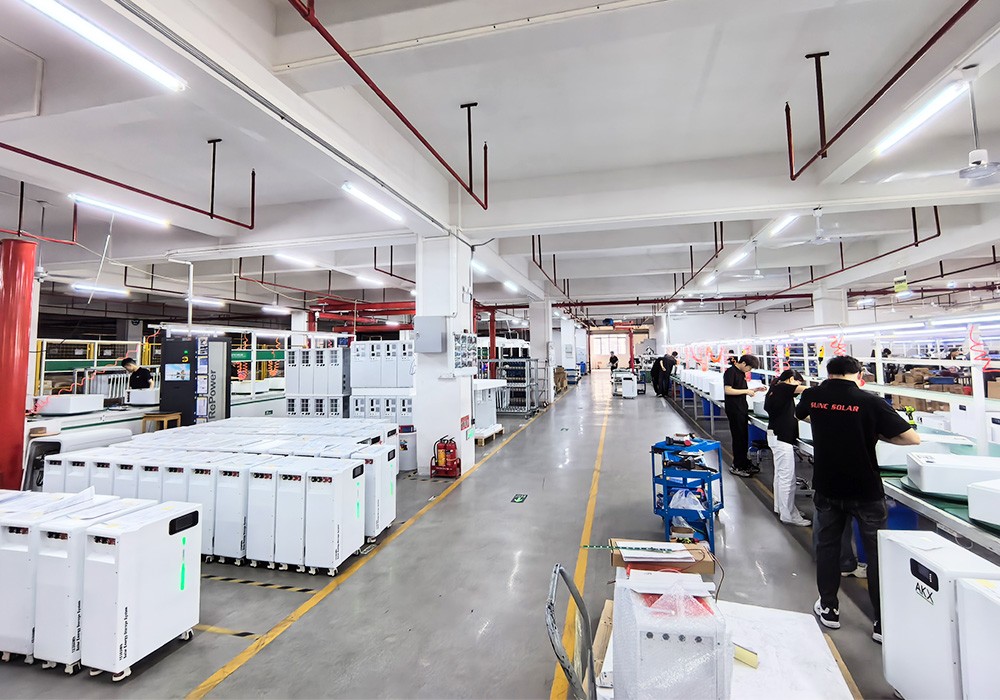
The core principle behind the cost savings provided by energy storage is known as **”peak shaving and valley filling” (or energy arbitrage)**. In simple terms: the battery charges during off-peak periods when grid electricity is cheap; during peak-price periods, the household prioritizes using the stored energy, thereby reducing the need to purchase expensive grid power. The wider the price gap between peak and off-peak rates, the greater the annual savings. For households with rooftop solar, surplus clean energy generated during the day can be stored in the battery for use in the evening, allowing the family to consume stored solar power directly. This further boosts the self-consumption rate and lowers electricity expenses.
Many homeowners are torn between two options: **Is it more cost-effective to sell surplus solar power to the grid, or to store it in a battery for personal use?** In the vast majority of overseas markets, **storing electricity for self-consumption yields higher returns**. This is because the retail price households pay to the grid is far higher than the feed-in tariff (FIT) received when selling solar power back to the grid. Selling electricity to the grid is advantageous only in specific regions with exceptionally high government subsidies; in most other scenarios, prioritizing the storage and self-consumption of solar power is the more rational choice.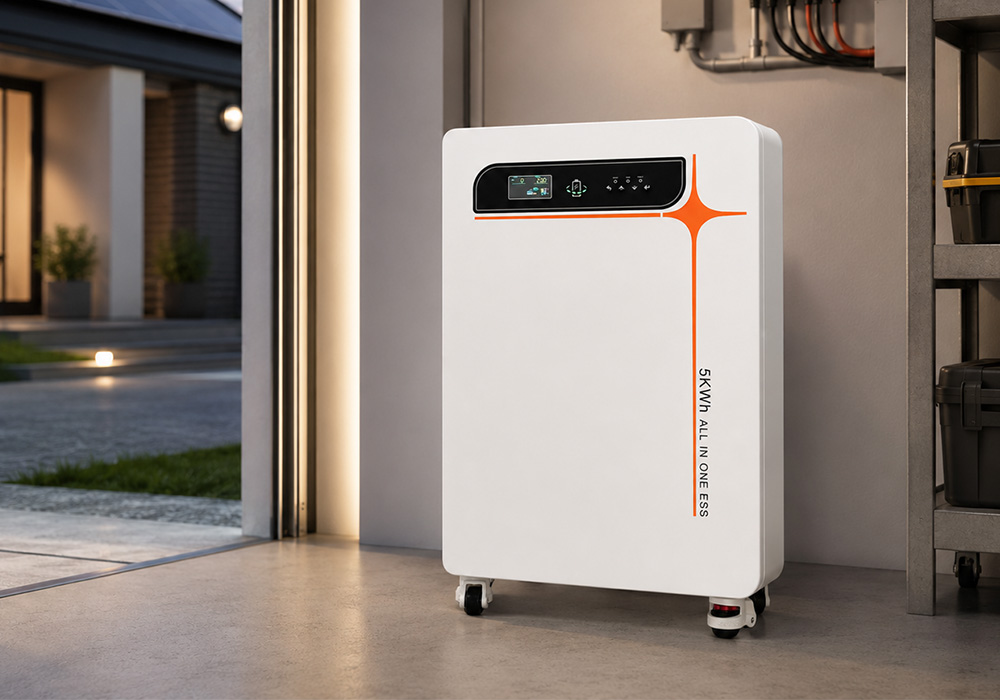
Consider this straightforward example: a **10 kWh energy storage system** undergoing one full charge-discharge cycle daily. If the local peak-to-off-peak price difference is €0.20/kWh, the household saves approximately €730 annually on electricity costs; if the difference is $0.30/kWh, the annual saving is around $1,095. Of course, actual savings will vary based on local pricing policies, household consumption habits, and battery cycle efficiency, but these calculations serve as a useful reference for preliminary assessment.
The current surge in residential energy storage installations across Europe is not merely a trend-following move but a rational choice driven by market conditions. European residential electricity prices remain consistently high, grid infrastructure is aging, and extreme weather events—along with the risk of power outages—are on the rise. Coupled with high solar adoption rates and various supportive policies and subsidies, demand for home energy storage is skyrocketing in countries like Germany, Italy, and the UK. Increasingly, households recognize that home energy storage is not just a backup power source for outages, but a long-term energy investment that reduces electricity bills.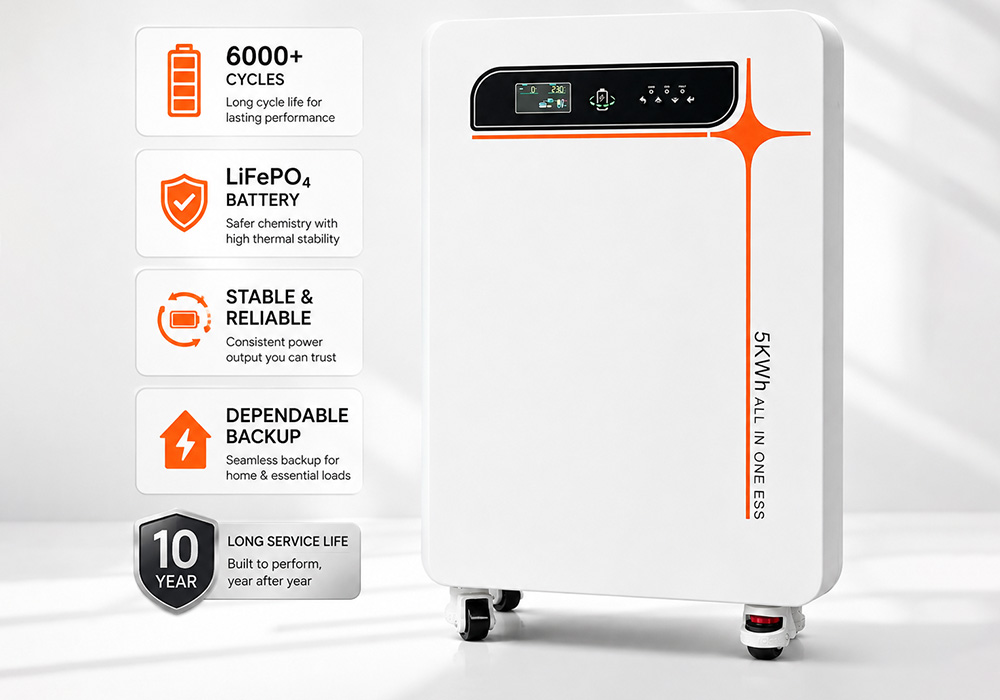
Many overseas regions have already implemented dynamic, multi-tier pricing, where electricity rates fluctuate three or more times a day. In such scenarios, a home energy storage system paired with an intelligent energy control unit can automatically detect price changes—charging during low-rate periods and discharging during high-rate periods—thereby effectively avoiding peak-hour rates. Even without a storage system installed, households can adjust their consumption habits by scheduling high-power activities—such as running washing machines, operating water heaters, or charging electric vehicles—during off-peak periods to lower their electricity costs.
Residential energy storage offers dual benefits: **electricity cost savings** and **backup power during outages**. In an era of peak-time electricity pricing, a reliable residential storage system not only lowers household energy expenses through peak-shaving and load-shifting but also ensures the continued operation of essential appliances during grid failures or extreme weather events. It empowers households to achieve energy independence and embrace a low-carbon, green lifestyle.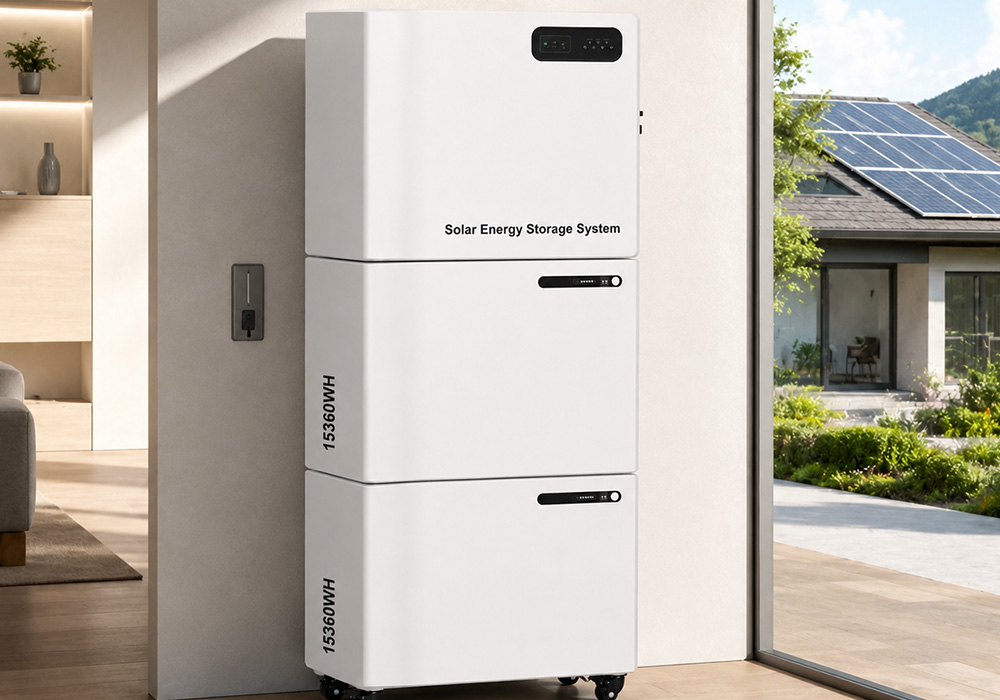
Anlan Energy (Foshan) Co., Ltd. specializes in the residential energy storage sector. As a new energy technology enterprise integrating R&D, product integration, sales, and import/export operations, we provide safe and reliable residential energy storage solutions to the global market. Focusing on home energy storage equipment, we develop safe, high-efficiency systems tailored to scenarios such as overseas household backup power and self-consumption of solar energy. Our systems effectively smooth out grid fluctuations and help overseas households achieve energy independence.
We are well-versed in the electricity pricing policies and subsidy regulations of major overseas markets, such as Europe and Australia. We can calculate investment returns and payback periods for clients, recommending residential storage solutions best suited to local conditions. Offering one-stop services—from system integration and product delivery to import/export logistics—we supply stable and safe residential energy storage products to global partners. If you are exploring residential energy storage projects and wish to assess potential electricity cost savings, please contact Anlan Energy for professional solutions and return-on-investment calculations.