Many overseas households and solar industry professionals encounter a common set of questions when dealing with residential solar projects: Why can’t household appliances directly use the electricity generated by rooftop solar panels during the day? Why do devices like refrigerators, lights, and water pumps lose power immediately during grid fluctuations or sudden outages? Why is surplus solar power generated during the day wasted, only for the household to rely on expensive grid electricity at night? If you are facing these kinds of energy challenges, you need to learn about **home energy storage**.
Simply put, a home energy storage system is a smart battery-based setup installed in the home. It stores surplus electricity generated by solar panels during the day—or grid electricity purchased during off-peak hours—and releases it for use during peak evening hours or unexpected grid outages. The core of the system consists of a battery, a Battery Management System (BMS), and an inverter. Supporting grid-tied, off-grid, and hybrid operating modes, it is currently the mainstream solution for overseas households seeking energy independence and backup power during outages.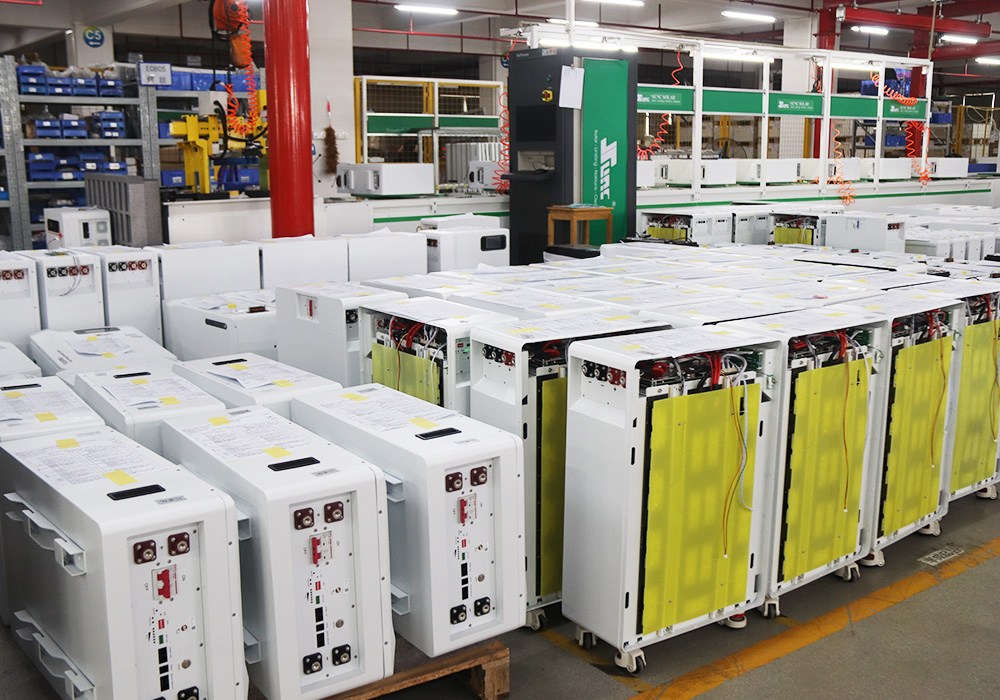
Many users wonder why the electricity generated by solar panels cannot directly power household appliances. The key lies in the difference between direct current (DC) and alternating current (AC). Solar panels and storage batteries output DC electricity, whereas household appliances—such as refrigerators, air conditioners, and televisions—operate on AC electricity. Because the current types do not match, the solar output cannot directly power the appliances. The inverter serves as the system’s core conversion component, transforming DC electricity into household-compatible AC electricity. Additionally, the inverter features Maximum Power Point Tracking (MPPT) to maximize solar generation efficiency; when paired with a battery, it also manages the charging and discharging processes to ensure stable system operation.
Many customers struggle to distinguish between grid-tied, off-grid, and hybrid energy storage systems:
In **grid-tied mode**, the system connects to the public grid; surplus solar energy can be fed back into the grid for sale, but the system automatically shuts down to protect the circuitry during a grid outage.
**Off-grid mode** operates completely independently of the public grid, relying on solar power and energy storage for self-sufficiency—an ideal solution for remote homes without grid access.
**Hybrid energy storage mode** is currently the most popular choice for households overseas. It operates normally while connected to the grid, storing excess solar energy to save on electricity costs. If a grid outage occurs, the system quickly and automatically switches to off-grid backup mode, ensuring a continuous power supply for critical household appliances.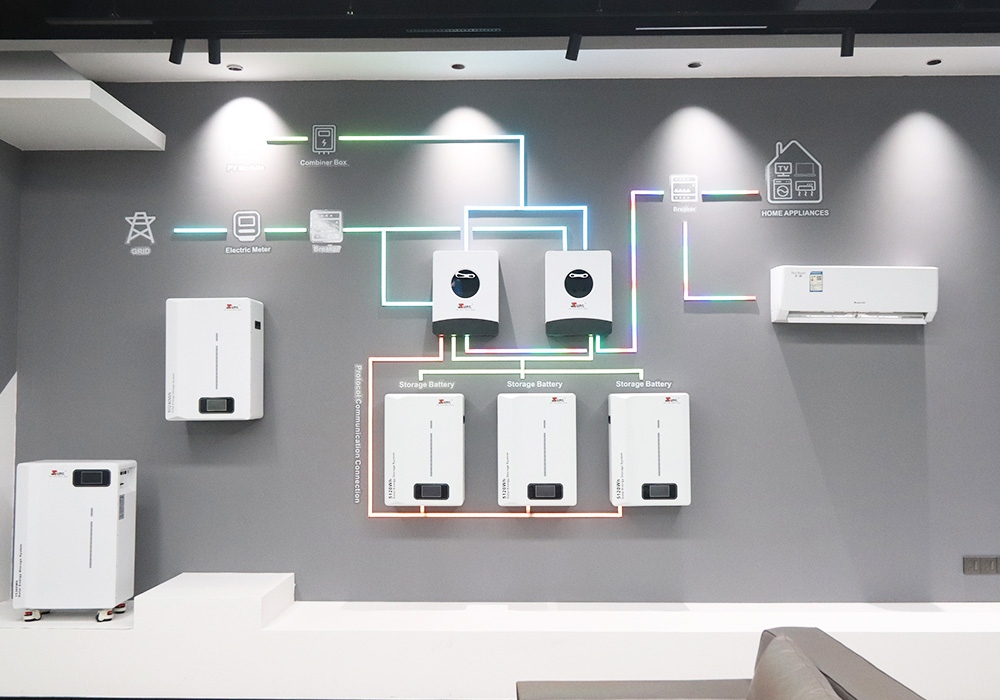
A complete home energy storage system comprises solar panels, an inverter, storage batteries, a Battery Management System (BMS), and an Energy Management System (EMS), along with supporting components such as mounting brackets, cables, and distribution boxes. Solar panels capture sunlight to generate electricity; the inverter converts between AC and DC power; batteries store the energy; the BMS ensures battery safety; and the EMS intelligently manages the generation, storage, and consumption processes. To illustrate: a 550W solar panel with four hours of effective daily sunlight generates approximately 2.2 kWh of electricity per day; the better the solar resources and the higher the panel’s power rating, the greater the daily output.
The value of home energy storage extends beyond emergency backup during outages. For overseas households, it maximizes the utility of rooftop solar by storing daytime surplus energy for evening use, significantly cutting electricity bills and mitigating the impact of grid price fluctuations. In regions with unstable grids or frequent natural disasters, it serves as a whole-home emergency power source—keeping refrigerators, lighting, and water purification systems running—thereby enabling energy independence and supporting a low-carbon, green lifestyle. Anlan Energy (Foshan) Co., Ltd. is a new energy technology enterprise specializing in the residential energy storage sector. Integrating R&D, product integration, sales, and import/export operations, we deliver safe and reliable residential energy storage solutions to the global market. We focus on the R&D and integration of residential energy storage equipment, creating stable, safe, and efficient systems tailored to two key scenarios: emergency backup power and self-consumption of solar energy.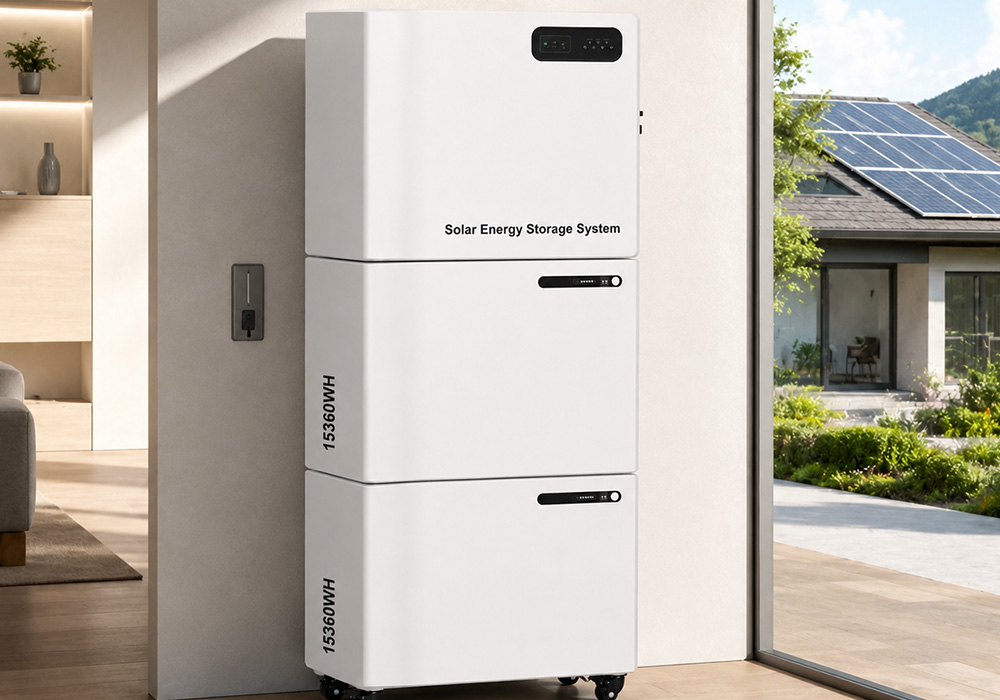
We recommend suitable grid-tied, off-grid, or hybrid energy storage solutions based on local sunlight conditions, electricity loads, and grid environments. We provide a one-stop service—covering system selection, product integration, technical support, and export delivery—to help overseas households address issues such as grid instability, power outages, wasted solar energy, and high electricity costs, thereby empowering families worldwide to establish their own independent, clean energy systems.
If you are seeking a reliable supplier of residential energy storage products, Anlan Energy leverages its mature integration technology and robust import/export capabilities to provide professional, comprehensive solutions to global partners, working together to build a new ecosystem of low-carbon, energy-independent households.